

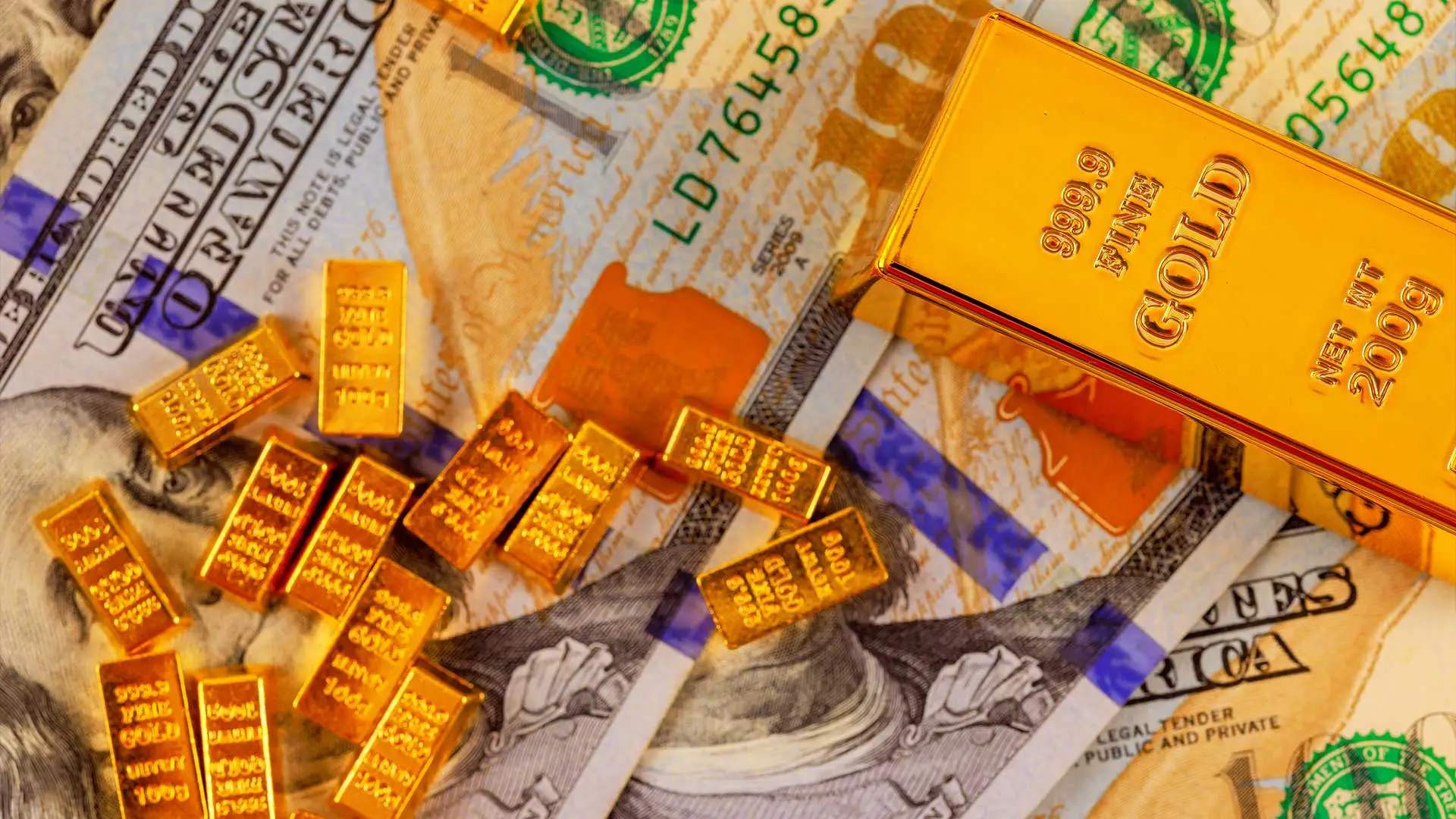
Gold and the dollar are two closely watched indicators in global markets. Their relationship is shaped by economic expectations, interest rates, inflation and broader market conditions.
It is often assumed that gold and interest rates, or gold and the dollar, always move in opposite directions. In reality, the long-term correlation between gold and the dollar has been only 28% over the half-century since 1970, which is not enough to describe the relationship as consistently negative.
Before trading either asset, investors should consider the factors that influence both prices. Decisions by the Federal Reserve, supply and demand, and inflation are among the main influences on gold. Weak employment data, rising oil prices, declining consumer confidence and falling property values can also affect the dollar.
The Federal Reserve's gradual interest-rate increases have supported gold prices. Sharp increases in inflation have also reinforced expectations that the Federal Reserve may raise rates earlier than anticipated.
“Reduced stimulus and higher interest rates tend to increase government-bond yields and can support the value of gold.”
This article is for general information only and does not constitute investment advice.